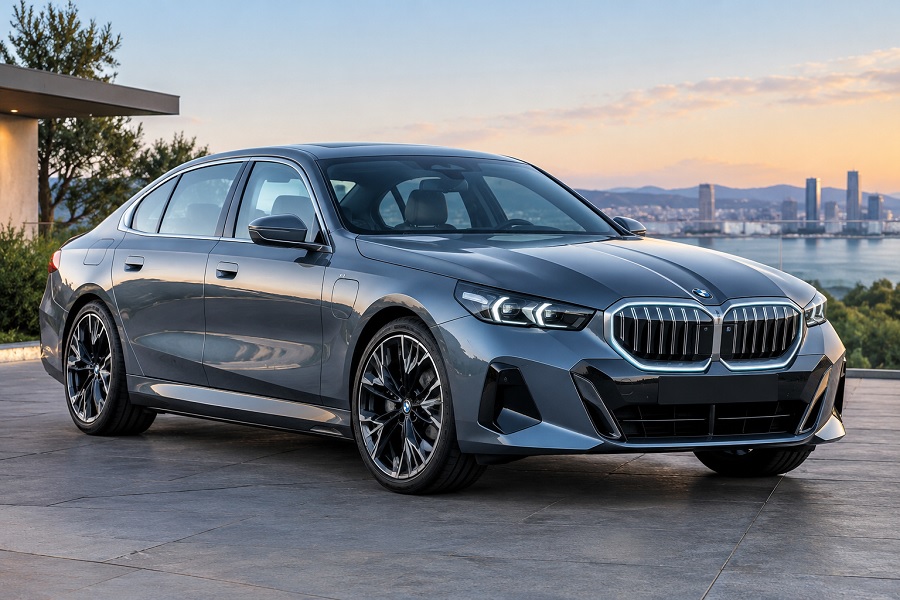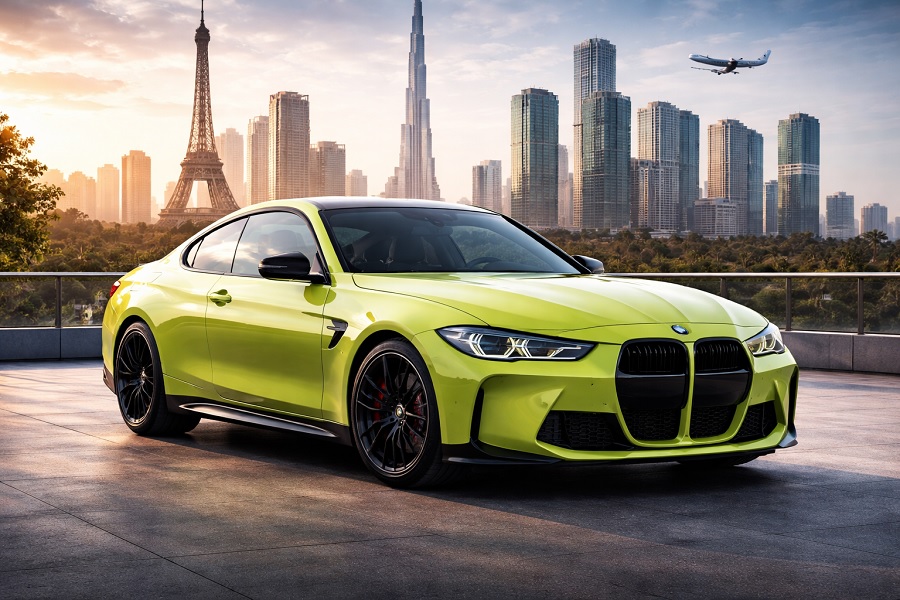
In the highly competitive premium car segment, BMW has consistently positioned itself as a symbol of performance, innovation, and luxury. Known for its iconic tagline, “The Ultimate Driving Machine,” BMW has built a global strategy that blends cutting-edge technology, strong brand identity, and localized market approaches to stay ahead in the luxury automobile market.
A Strong Brand Identity Rooted in Performance
BMW’s global success begins with its clear and consistent brand philosophy—delivering superior driving dynamics. Unlike many competitors that emphasize comfort over performance, BMW focuses on engineering excellence, ensuring every vehicle offers a sporty and engaging driving experience. This differentiation helps the brand stand out against rivals like Mercedes-Benz and Audi.
Diversified Product Portfolio
A key pillar of BMW’s strategy is its wide product range catering to different customer segments. From entry-level luxury sedans to high-performance sports cars and electric vehicles, BMW ensures it appeals to a broad audience. Models under the BMW, MINI, and Rolls-Royce brands allow the company to capture multiple tiers of the luxury market globally.
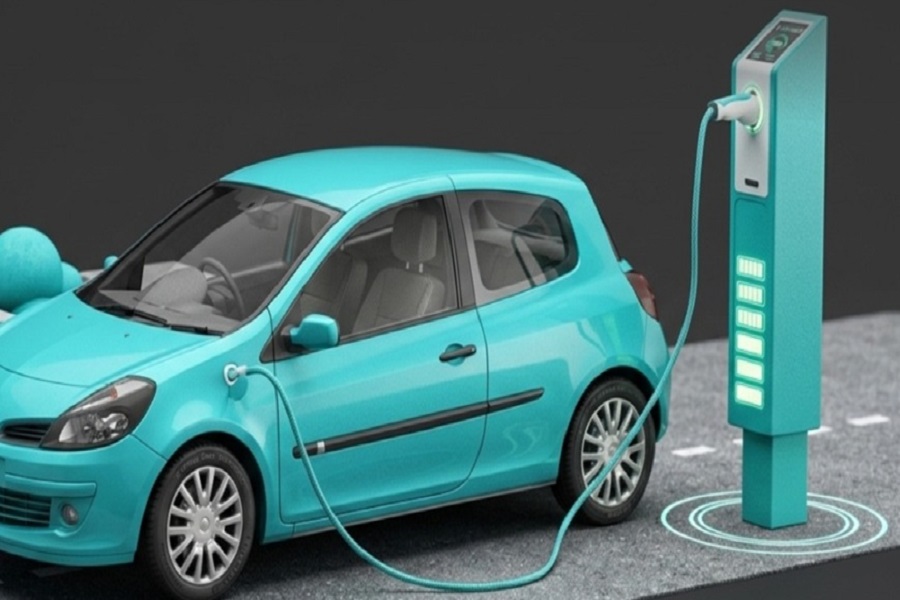
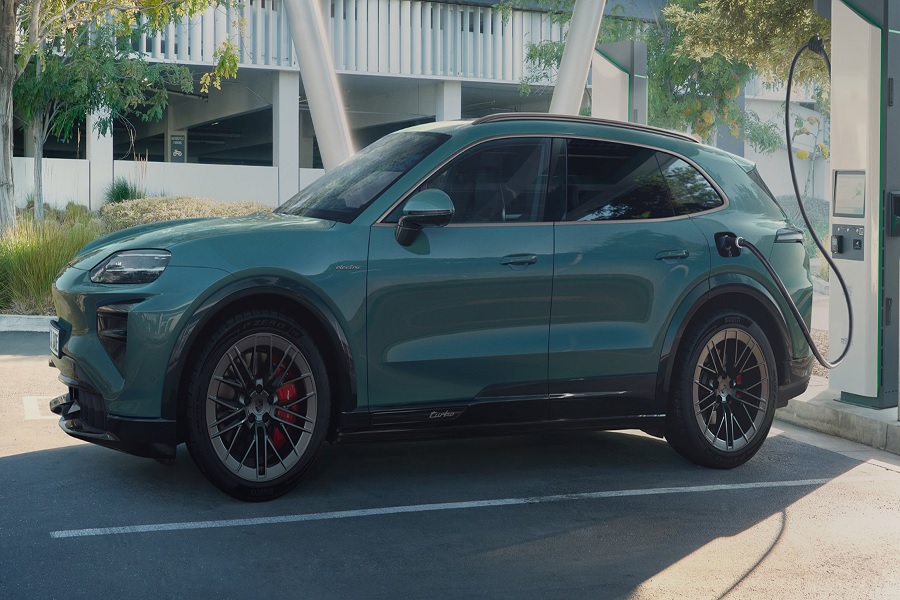
The introduction of the BMW i series reflects the company’s forward-thinking approach. Electric models like the BMW iX and BMW i4 demonstrate BMW’s commitment to sustainable mobility without compromising performance or luxury.
Electrification and Sustainability Focus
As the automotive industry transitions toward greener alternatives, BMW has strategically invested in electrification. Its goal is to significantly increase the share of electric vehicles in its global sales. Competing with companies like Tesla, BMW is balancing innovation with practicality by offering both fully electric and plug-in hybrid models.
BMW’s sustainability strategy extends beyond vehicles to production processes, focusing on reducing carbon emissions, using recyclable materials, and promoting circular economy principles.
Localized Global Approach
BMW’s success also lies in its “think global, act local” strategy. The company adapts its offerings based on regional preferences and regulations. For instance, in fast-growing markets like India and China, BMW emphasizes long-wheelbase models and chauffeur-driven comfort, while in Europe and the US, performance and driving pleasure remain key selling points.
Local manufacturing facilities and partnerships further strengthen BMW’s global footprint, helping reduce costs and improve market responsiveness.
Digital Innovation and Customer Experience
BMW is redefining customer engagement through digital transformation. Technologies like BMW ConnectedDrive, AI-powered assistants, and over-the-air software updates enhance the ownership experience. The brand is also investing in online sales platforms and virtual showrooms, aligning with evolving consumer behavior.
Strategic Partnerships and Future Mobility
BMW actively collaborates with technology firms and mobility providers to stay ahead in innovation. Partnerships in autonomous driving, battery technology, and shared mobility services ensure the company remains competitive in the rapidly evolving automotive landscape.
Challenges and Competitive Landscape
Despite its strong positioning, BMW faces intense competition and market challenges, including fluctuating economic conditions, regulatory pressures, and the rapid rise of new EV players. However, its balanced approach—combining tradition with innovation—gives it a strong advantage.
Conclusion
BMW’s global strategy is a blend of heritage, innovation, and adaptability. By maintaining its core identity while embracing electrification, digitalization, and regional customization, BMW continues to thrive in the luxury automobile market. As the industry moves toward a more sustainable and connected future, BMW is well-positioned to remain a leader in premium mobility.